Logistics and Freight Management: The Backbone of Modern Global Trade


In today’s interconnected world, businesses depend upon fast, reliable, and cost-efficient movement of goods. Whether transporting garbage to factories or delivering finished products to customers around the world, logistics and freight management plays a vital role within the success of supply chains.
Organizations that master logistics acquire a competitive edge through reduced costs, predictable delivery timelines, and improved client satisfaction. This article explores what Logistics and Freight Management entails, why it matters, and exactly how companies can optimize it for long-term success.
What Is Logistics and Freight Management?
Logistics refers to the planning, implementation, and power over the movement and storage of goods, services, and knowledge within a supply chain.
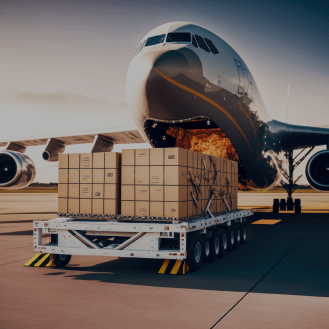
Freight management, a component of logistics, focuses specifically on the transport of products using road, air, sea, or rail to make sure timely and cost-efficient delivery.
Together, they form a system that ensures products move seamlessly from origin to destination with minimal delays, cost inefficiencies, or risks.
Core Components of Logistics and Freight Management
Successful logistics is determined by multiple coordinated functions:
1. Transportation Management
Selecting the perfect transportation mode and path to balance speed, cost, and reliability:
Road freight
Railway freight
Sea freight
Air freight
2. Storage and Warehousing
Goods have to be safely stored until they move further inside the supply chain. Key activities include:
Inventory management
Temperature-controlled storage
Goods consolidation / deconsolidation
3. Freight Planning and Scheduling
Timelines and carrier availability have to be aligned to meet business and customer needs.
4. Documentation and Compliance
International and domestic freight requires:
Customs clearance
Bills of lading
Certificates of origin
Hazardous goods documentation
5. Real-Time Tracking and Visibility
Modern logistics uses digital tools for example GPS, RFID, and IoT to monitor:
Shipment location
Warehouse inventory
Expected time of arrival (ETA)
Why Logistics and Freight Management Matters
Efficient logistics delivers measurable business advantages:
Benefit Impact
Reduced shipping costs Higher profitability
Shorter delivery times Increased client satisfaction
Better supply chain predictability Improved planning and manufacturing
Lower chance of damage or loss Fewer insurance and replacement costs
Competitive advantage Stronger brand reputation
For e-commerce, retail, automotive, and manufacturing industries, logistics performance can make or break the company.
Challenges in Logistics and Freight Management
As global trade expands, logistics gets to be more complex. Typical challenges include:
Volatile freight rates and fuel prices
Port congestion and carrier capacity bottlenecks
Regulatory differences across countries
Seasonality and unpredictable demand
Limited supply chain visibility without proper technology
Businesses must use data-driven processes and strong likely to mitigate these risks.
The Role of Technology in Modern Freight Management
Digital transformation is reshaping logistics. Today’s most innovative companies use tools like:
🔹 Transport Management Systems (TMS)
🔹 Warehouse Management Systems (WMS)
🔹 Artificial Intelligence (AI) and Machine Learning
🔹 Blockchain for secure documentation
🔹 IoT-powered shipment tracking
These technologies automate manual tasks, reduce errors, and supply real-time insights for better decisions.
Best Practices for Optimizing Logistics and Freight Operations
Businesses can maximize logistics efficiency with these proven strategies:
✔ Build long-term partnerships with reliable carriers
✔ Use data analytics to forecast demand and allocate resources
✔ Consolidate shipments to lessen freight costs
✔ Optimize packaging to cut back dimensional weight charges
✔ Implement real-time tracking for transparency and accountability
✔ Regularly audit logistics providers and carrier performance
Continuous improvement ensures resilience even during high-demand or market fluctuations.
Sustainability in Logistics: A Growing Priority
With rising environmental awareness, companies are increasingly dedicated to:
Reducing carbon emissions
Optimizing routes to limit fuel consumption
Adopting electric or alternative-fuel vehicles
Selecting eco-friendly packaging
Utilizing intermodal freight systems
Sustainable logistics benefits both environment and long-term profitability.
Conclusion
Logistics and freight management form the foundation of global trade and business success. By integrating smart planning, advanced technologies, and reliable carrier networks, companies can reduce costs, improve delivery performance, enhance customer happiness, and build resilient supply chains.